How to conduct effective recovery training using an elliptical machine
The elliptical machine is highly suitable for recovery training as it has a minimal impact on joints. Start with a warm-up, maintain low resistance, focus on proper posture, and perform appropriate cooling. Optional light interval training and post-exercise stretching can enhance the recovery effect. Listen to your body and recover safely.
The elliptical machine, due to its low-impact feature, is an excellent tool for recovery training. It offers a gentle exercise for the joints, making it highly suitable for rehabilitation and restoring physical fitness after an injury. Here is a comprehensive guide on how to use the elliptical machine for recovery training, ensuring a safe and effective workout.
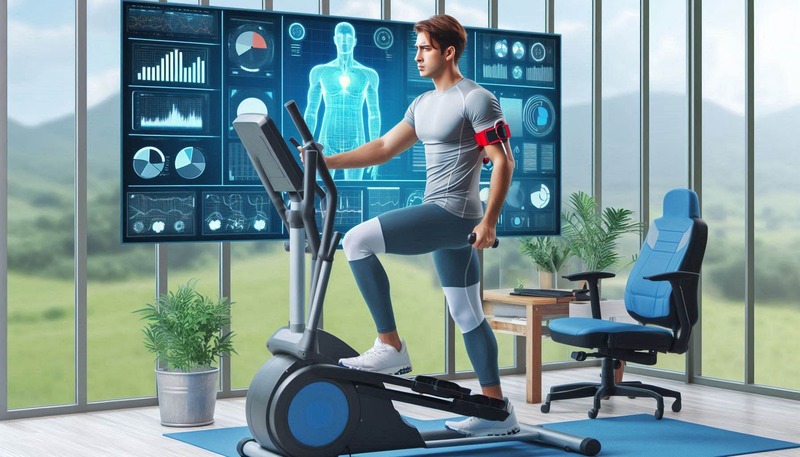
1. Start warming up
It is very important to start with a relaxed warm-up. Set the elliptical machine to the lowest resistance and step at a comfortable and relaxed speed for 5-10 minutes. This step helps to promote blood flow and prepare for exercise. This is an excellent way to prevent injuries and ensure that your body is prepared for the upcoming exercise.
2. Maintain a low resistance and stable rhythm
Maintain low resistance during recovery training. The goal is to avoid putting pressure on muscles and joints. Focus on maintaining a stable and moderate rhythm, rather than exerting too much force. This allows muscles to move without excessive pressure, which helps to heal and improve flexibility. A stable rhythm helps to gradually improve endurance and endurance without causing any burden.
3. Pay attention to the correct posture
Maintaining the correct posture is crucial for avoiding further injuries and ensuring that you can reap maximum benefits from exercise. Stand straight, tighten the core, and avoid overly relying on the handle. The correct posture ensures that your movements are effective and safe, targeting the correct muscle groups without overuse of any part of the body.
4. Selective addition of mild interval training
If you feel good and your body responds well to a stable rhythm, you may consider adding light interval training. This includes slightly increasing the resistance for one or two minutes and then returning to low resistance. Mild interval training can keep exercise fun and improve cardiovascular health without overexertion. This change helps to gradually enhance strength and prevent exercise from becoming monotonous.
5. Perform appropriate cooling
Equally important as warm-up, cooling helps the body gradually return to a resting state. During the last 5-10 minutes of exercise, reduce resistance to a minimum and slow down the pace. Cooling helps gradually restore heart rate to normal and aids in muscle recovery. It is crucial to prevent stiffness and soreness after exercise.
6. Stretching after exercise
Stretching after exercise is essential in recovery training. Take time to stretch muscles, especially in the legs, hips, and back. Stretching helps improve flexibility and reduce muscle stiffness, and is an important component of recovery training. Gentle stretching can also promote blood flow in muscles and accelerate recovery.
7. Listen to your body
The most important aspect of recovery training is listening to your body. If you feel any pain or discomfort, stop immediately and rest. The goal of recovery training is to heal and gradually regain strength, rather than challenging limits. Understanding the difference between discomfort after normal exercise and pain indicating injury is crucial. Always maintain caution to ensure safe recovery.
Develop an effective recovery training plan
Here is an example of a recovery training plan using an elliptical machine:
1. Warm up:
Start with 5-10 minutes of low resistance, easy steps.
2. Steady state exercise:
Maintain a low resistance and stable rhythm for 20-30 minutes.
Focus on smooth and controlled movements.
3. Selective mild interval training:
If you feel comfortable, add a slightly higher resistance for 1-2 minutes, and then restore low resistance for 2-3 minutes.
Cycle 3-4 times during steady state exercise.
4. Cooling:
Step at the lowest resistance and slow speed for the last 5-10 minutes.
5. Stretching after exercise:
Spend at least 10 minutes stretching the legs, hips, and back.
Perform gentle stretching, targeting the main muscle groups used during the exercise process.
Successful Suggestions
1. Persistence is key: maintain a regular exercise plan. Perform 3-5 elliptical machine exercises per week to see stable recovery progress.
2. Keep hydrated: Keep hydrated before, during, and after exercise. Appropriate hydration helps with muscle recovery and overall performance.
3. Monitoring progress: Record your exercise and physical sensations after each exercise. This helps to adjust plans as needed and monitor progress.
4. Seek professional guidance: If you are recovering from a major injury, consider consulting a physical therapist or fitness professional. They can provide tailored advice to ensure that you are on the right path.
Conclusion
Using an elliptical machine for recovery training provides numerous benefits, including improved cardiovascular health, muscle flexibility, and joint safety. By following the steps outlined - starting with warm-up, maintaining low resistance, focusing on correct posture, selectively incorporating light interval training, cooling, and stretching - you can create an effective recovery exercise plan. Always listen to your body and make adjustments as needed to ensure a safe and successful recovery journey.
Recovery training is about patience and perseverance. Over time, you will notice improvements in strength and overall health. Using an elliptical machine as a recovery tool, remember to combine appropriate nutrition and rest for optimal results.
Stay focused, listen to your body, and you will quickly regain full strength.
相关链接:Weldconn 商用健身器材
Info About Us Product Categories Delivery Company Profile Commercial Fitness Equipment Team Service Corporate Style Home Fitness Equipment News Light Commercial Fitness Equipment Copyright © Xiamen Weldconn Technology Co., Ltd. All Rights Reserved. |
Xiamen, Fujian, China
mike@weldconn.cn |
 Phone:86-592-6313022
 add:
add: email:ryan@weldconn.cn,