The effects of regular exercise and prolonged inactivity on the body
Maintaining an active lifestyle and neglecting regular exercise can make a significant difference to one's physical health and overall well-being. This article explores the major differences between these two lifestyles and their effects on the body.
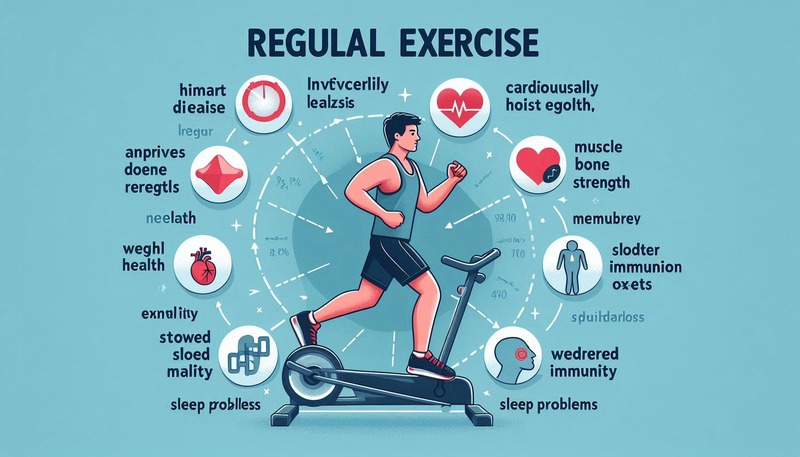
The benefits of regular exercise
Regular exercise is crucial for maintaining cardiovascular health. It helps reduce the risk of heart disease, hypertension, and stroke. Running, cycling, and using elliptical machines can improve heart function and blood circulation.
2. Weight management: Engaging in physical activity can help maintain a healthy weight or lose excess weight. Exercise can burn calories and improve metabolism, making weight management easier.
3. Muscle and bone strength exercises can enhance muscle strength and bone density. Activities such as weightlifting, resistance training, and even weight training can help increase muscle mass and strengthen bones, reducing the risk of osteoporosis and muscle atrophy.
Regular exercise can increase metabolic rate and help burn calories more effectively. This is particularly beneficial for weight management and overall energy levels.
5. Physical activity has profound benefits for mental health. It stimulates the release of endorphins, which are chemicals in the brain that have natural analgesic and mood boosting effects. Regular exercise can reduce stress, anxiety, and depression, and improve overall mental health.
Moderate exercise can enhance the immune system, making the body more resistant to infections and diseases. It promotes the circulation of immune cells throughout the body, helping to more effectively identify and eliminate pathogens.
Regular physical activity can improve sleep quality. It helps you fall asleep faster and enjoy deeper sleep, which is crucial for overall health and well-being.
The consequences of prolonged sitting
1. Increased risk of cardiovascular disease Lack of physical activity is the main risk factor for cardiovascular disease. Sedentary behavior can lead to poor heart health, high blood pressure, and a higher likelihood of stroke.
2. Without regular exercise, managing weight gain becomes challenging. The sedentary lifestyle often leads to weight gain and obesity, which is related to many health problems, including diabetes and heart disease.
3. Muscle and bone weakness and lack of activity can lead to weakened muscle strength and decreased bone density. This increases the risk of osteoporosis, fractures, and muscle atrophy. Lack of physical pressure on the body can lead to gradual weakening of bones and muscles over time.
4. A sedentary lifestyle can lower the metabolic rate, leading to reduced calorie burning. This may lead to weight gain as well as general fatigue and energy deficiency.
5. Psychological health issues: Sedentary behavior is associated with higher levels of stress, anxiety, and depression. Physical inactivity can reduce the production of endorphins, leading to poor mental health and decreased overall life satisfaction.
6. Decreased immune function and lack of exercise can weaken the immune system, making the body more susceptible to infections and diseases. Inactive people find it harder to resist diseases compared to active people.
A sedentary lifestyle with poor sleep quality can have a negative impact on sleep quality. Inactivity may lead to sleep disorders such as insomnia, reduce overall rest quality, and cause fatigue and cognitive decline.
obvious difference
The difference between an active lifestyle and a sedentary lifestyle is significant and profound:
Heart Health: Regular exercise can strengthen the heart and improve blood circulation, while inactivity increases the risk of heart disease.
Weight management: Active individuals are more likely to maintain a healthy weight, while sedentary individuals are more prone to weight gain and obesity.
Muscle and bone health: Exercise can strengthen muscles and bones, while lack of physical activity can lead to muscle and bone weakness.
Metabolism: An active lifestyle can increase metabolic rate and energy levels, while a sedentary lifestyle can slow down metabolism and lead to fatigue.
Psychological health: Exercise can improve mood and reduce stress, anxiety, and depression, while inactivity can lead to mental health problems.
Immunity: Moderate exercise can enhance the immune system, while a sedentary lifestyle can weaken the immune system.
Sleep quality: Physical activity can improve sleep quality, while inactivity often leads to poor sleep patterns.
Conclusion
Exercise plays a crucial role in maintaining overall health and well-being. It can not only enhance the cardiovascular system, muscles, and bones, but also improve mental health, strengthen the immune system, and improve sleep quality. On the contrary, a sedentary lifestyle increases the risk of various health problems, including heart disease, obesity, osteoporosis, and mental health disorders.
Incorporating regular physical activity into daily life, even a brief walk, can bring significant health benefits. Whether it's running, cycling, using an elliptical machine, or other forms of exercise, staying active is the key to a healthier lifestyle.
By understanding the significant differences between active and sedentary lifestyles, we can make wise choices to improve our health and quality of life. So, tie your shoelaces, get moving, and move towards a healthier you!
相关链接:Weldconn 商用健身器材
Info About Us Product Categories Delivery Company Profile Commercial Fitness Equipment Team Service Corporate Style Home Fitness Equipment News Light Commercial Fitness Equipment Copyright © Xiamen Weldconn Technology Co., Ltd. All Rights Reserved. |
Xiamen, Fujian, China
mike@weldconn.cn |
 Phone:86-592-6313022
 add:
add: email:ryan@weldconn.cn,